Imagine the unsettling silence of a power outage, plunging your home into darkness. Or perhaps you're an RV enthusiast, eager for reliable power at your campsite. In either scenario, the humble 30 amp generator plug emerges as a vital, often overlooked, hero. It’s not just a piece of electrical hardware; it's your direct link to uninterrupted comfort, safety, and convenience when the grid falls short or you’re off the beaten path.
This comprehensive guide is your starting point to understanding everything about 30 amp generator plugs. We'll demystify their purpose, explore their different forms, and show you how to integrate them seamlessly into your life, ensuring you're always prepared and powered up.
Understanding the Heart of Your Backup Power: The 30 Amp Generator Plug
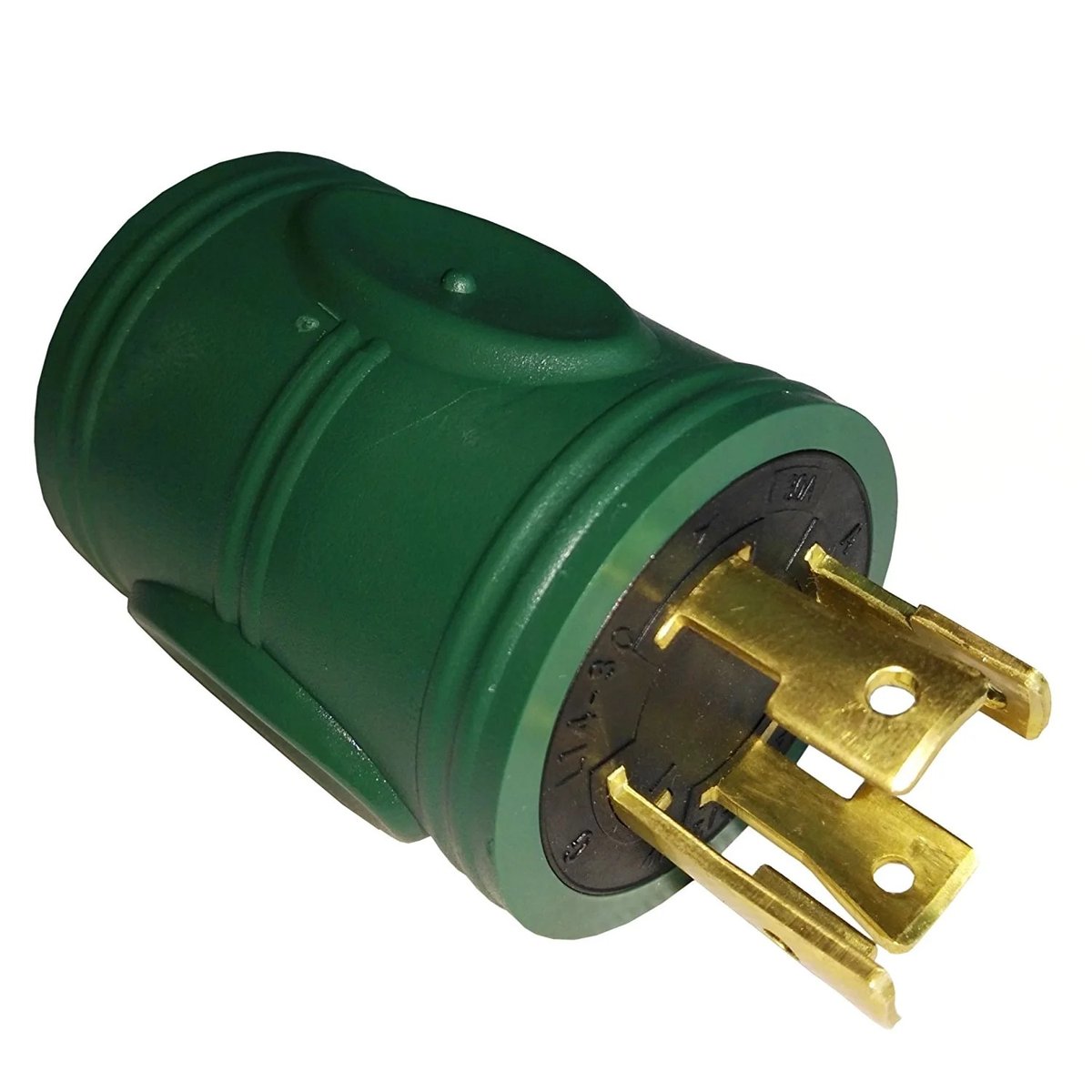
At its core, a 30 amp generator plug is a specific type of electrical connector designed to handle a significant amount of power – up to 30 amperes – from a generator to a load, whether that's your entire home, a travel trailer, or essential appliances. This capacity makes it a standard for many mid-sized portable generators and RVs, capable of running multiple devices simultaneously without tripping breakers. It's the critical link that translates your generator's raw power into usable electricity for your needs.
When properly understood and installed, the 30 amp connection provides a reliable, dedicated circuit for backup power, avoiding the hazards and limitations of running extension cords through windows or doors. It represents a significant step up in convenience and safety from smaller, less robust connections.
Decoding the Different 30 Amp Plug Types and Their Roles
Not all 30 amp plugs are created equal, and understanding the specific configurations is crucial for compatibility and safe operation. While they all carry 30 amps, their pin arrangements (known as NEMA configurations) differ based on whether they're designed for 120-volt or 120/240-volt applications, and whether they lock into place or not. For instance, the common TT-30R is found on RVs, providing 120V power, while L5-30R and L14-30R are common for residential generator inlets, offering 120V and 120/240V respectively.
Knowing these distinctions is the first step in building a reliable power system. To get a detailed breakdown of these critical differences and ensure you choose the right components every time, you'll want to Learn 30 amp generator plug types. This knowledge ensures your generator can effectively communicate with your home or RV's electrical system.
Seamlessly Integrating Your Generator for Home Backup
Connecting a generator to your home's electrical system goes beyond simply plugging it in. To safely and effectively power your house during an outage, you need a dedicated inlet box and a transfer switch. The inlet box provides a secure, weatherproof point for your generator's cord, keeping the connection outside and away from elements. The transfer switch is perhaps the most critical component; it isolates your home's electrical system from the utility grid, preventing dangerous backfeed that could injure utility workers or damage your generator.
This setup ensures that power flows only one way and prevents overloading your generator. For a deep dive into the proper installation and operation of these crucial components, including selecting the right size and type, be sure to explore Connecting a Generator: Inlet Boxes. This pillar provides essential information for a secure and compliant home backup power solution.
Powering Your Adventures: 30 Amp Connections for RVs
For many RVers, a 30 amp connection is the backbone of their mobile living. It's the standard shore power connection for a vast majority of travel trailers, fifth wheels, and smaller motorhomes, providing enough juice to run your air conditioner, microwave, lights, and other essential appliances simultaneously. Understanding your RV's 30 amp system is key to a comfortable and hassle-free journey, whether you're at a campground with full hookups or using a generator in a remote location.
This connection typically utilizes a TT-30P plug and a corresponding TT-30R receptacle. Mastering these connections means understanding voltage, amperage, and how to use adapters safely when needed. To ensure you're always connected correctly and confidently managing your RV's electrical demands on the road, it's wise to Master RV shore power connections Simplify. This will enhance your camping experience significantly.
Equipping Yourself: Choosing the Right 30 Amp Generator Cord and Adapters
Once you understand the plugs and how they connect, the next step is selecting the right cables and any necessary adapters. A quality 30 amp generator cord is heavy-duty, rated for outdoor use, and has the correct plug and receptacle configurations on either end to match your generator and inlet box or RV. The length also matters – long enough to position your generator safely away from your home, but not so long that it causes excessive voltage drop.
Adapters come into play when you need to bridge different amperage or voltage requirements, for example, connecting a 30 amp RV to a 50 amp pedestal, or powering a 30 amp inlet from a generator with a different outlet type. These must be used cautiously and correctly to avoid hazards. To navigate the vast array of options and ensure you're making the best choices for your specific needs, you'll want to Select the Right Generator Cord Choosing. Getting this right is fundamental to safe and efficient power delivery.
Prioritizing Safety with Your 30 Amp Generator Setup
Electrical safety is paramount, especially when dealing with generators and high-amperage connections. Misuse or improper installation can lead to severe hazards, including electrocution, fire, and carbon monoxide poisoning. Always operate generators outdoors in a well-ventilated area, away from windows and doors. Ensure all connections are secure, plugs are fully seated, and cords are free from damage. Never "backfeed" power into your home's electrical system without a proper transfer switch.
Regular inspection of your generator, cords, and connections is essential. Understanding the principles of grounding and bonding is also critical for safe operation. For a comprehensive guide on maintaining a safe environment around your generator and all its 30 amp connections, it's highly recommended to Learn 30 amp generator safety. Your safety and the safety of your household depend on adhering to these crucial guidelines.
The 30 amp generator plug is far more than just a component; it's the gateway to dependable power when you need it most. By exploring these pillars, you're not just learning about electrical connections; you're investing in peace of mind, preparedness, and the continued comfort of your home and adventures. Dive into each pillar to become a confident, knowledgeable power user.