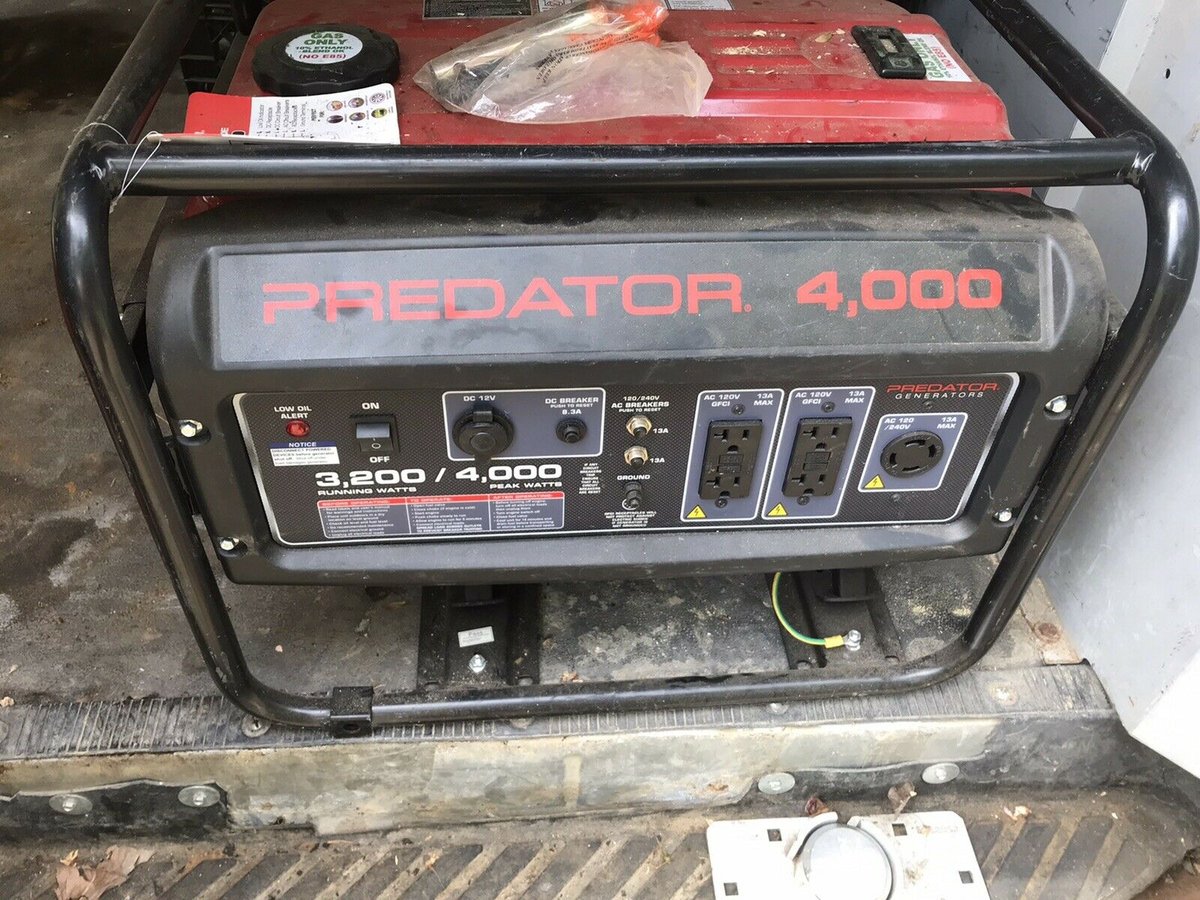
When the lights go out, a 30 amp generator can be your best friend, bringing crucial power to your home or worksite. But like any powerful tool, it demands respect and adherence to strict safety rules. Navigating the Safety Guidelines for 30 Amp Generator Use isn't just about avoiding a minor mishap; it's about protecting your life, your family, your property, and even the utility workers striving to restore power.
Think of this guide as your trusted companion, designed to walk you through every critical aspect of operating your 30 amp generator with confidence and caution. We’re cutting through the jargon to give you practical, actionable advice that ensures your backup power solution remains a blessing, not a hidden danger.
At a Glance: Your Quick Generator Safety Checklist
Before we dive deep, here are the absolute non-negotiables for 30 amp generator use:
- Outdoor Only: Never operate a generator indoors, even in a garage with the door open.
- Distance is Key: Position your generator at least 20 feet from your home, away from windows, doors, and vents.
- Carbon Monoxide Alarms: Install CO alarms on every level of your home and outside sleeping areas. Check their batteries regularly!
- No Direct Plug-In (Backfeeding): Never plug your generator directly into a wall outlet or your home's main electrical panel without a proper transfer switch. This can kill.
- Transfer Switch Essential: Use a manual or automatic transfer switch to safely power your home's electrical system.
- Grounded & GFCI: Always use grounded extension cords rated for outdoor use, and ensure GFCI protection.
- Keep it Dry: Operate your generator on a dry surface under an open, canopy-like structure if weather is a concern.
- Cool Down Before Refueling: Never refuel a hot generator. Let it cool completely.
- Read the Manual: Your generator's specific manual is your ultimate authority. Read it!
Why 30 Amp Power Demands Extra Scrutiny
A 30 amp generator is a significant piece of equipment, typically offering between 3,600 to 7,200 watts of power. This capacity means you can run multiple essential appliances simultaneously – a refrigerator, freezer, well pump, lights, and perhaps even a window AC unit. This isn't just a small unit for a few lights; it's a serious power source, often used for critical home backup.
With great power comes great responsibility, as the saying goes. The higher wattage of a 30 amp unit means the potential for greater hazards if safety guidelines aren't meticulously followed. From managing its substantial output to understanding its specific connection requirements, such as those discussed in our Guide to 30 amp generator plugs, every step of setup and operation needs to be handled with precision. Ignoring these rules isn't just risky; it's potentially catastrophic.
The Silent Killer: Understanding Carbon Monoxide (CO) Poisoning
This is not a guideline to skim over. Carbon monoxide (CO) is an invisible, odorless, tasteless gas produced by running generators. It's deadly, and it kills quickly – in as little as 5 minutes in high concentrations, according to the Electrical Safety Foundation International (ESFI). Your absolute first priority, above all else, must be preventing CO poisoning.
The Dangers of CO
When you breathe in CO, it replaces oxygen in your bloodstream, starving your organs of the oxygen they need to function. Symptoms can be deceptive, often mimicking the flu:
- Dizziness
- Headaches
- Nausea
- Tiredness or weakness
- Shortness of breath
Without proper ventilation, these symptoms escalate rapidly, leading to confusion, collapse, and ultimately, death. This isn't a theoretical risk; it's a grim reality that claims lives every year during power outages.
Your Fortress Against CO: Strategic Placement
The core defense against CO is diligent placement. Your generator's exhaust contains high levels of CO, and you must ensure it can dissipate harmlessly into the open air, far away from any living space.
- At Least 20 Feet Away: Always position your generator a minimum of 20 feet from your home. This distance is crucial for allowing exhaust gases to dilute sufficiently before they can drift indoors.
- Never Indoors or Enclosed Spaces: This rule is non-negotiable. Garages (even with the door open), basements, sheds, carports, or partially enclosed patios are absolutely off-limits. These spaces can trap CO, allowing it to build up to lethal levels.
- Clearance on All Sides: Ensure the generator has 3-4 feet of clear space above and on all sides for proper ventilation. Obstructions can trap heat and exhaust, hindering its safe operation.
- Away from Openings: Keep the generator far from all windows, doors, and vents (like dryer vents or HVAC intakes). CO can easily seep through these openings and into your home.
- Direct Exhaust Away: Always orient the generator so its exhaust is directed away from your home, any neighboring buildings, or areas where people might congregate.
- Consider Wind Direction: Be mindful of prevailing winds. Even with proper distance, a strong wind can push exhaust fumes towards your home. If possible, set up your generator upwind.
The Lifesaving Alarm: Carbon Monoxide Detectors
Your nose can't detect CO, but a specialized alarm can. These devices are your critical early warning system.
- Install Everywhere: Ensure you have battery-operated or battery-backup carbon monoxide alarms installed outside each sleeping area and on every level of your home. Treat them like smoke detectors – they're just as important.
- Test Regularly: Test your CO alarms monthly and replace batteries annually, or as recommended by the manufacturer. If your alarm sounds, treat it as a genuine emergency.
- What to Do if the Alarm Sounds: If a CO alarm goes off, immediately get everyone (including pets) out to fresh air. Do not re-enter the area. Once safely outside, call 911 or your local fire department. Don't assume it's a false alarm; CO poisoning is too dangerous to guess. For more proactive steps, consider reading up on ways to prevent carbon monoxide exposure in and around your home.
Connecting Your Generator Safely: Powering Up Without Risk
Once your generator is safely positioned, the next critical step is connecting it to your appliances or home electrical system. This is where most serious electrical accidents occur, primarily due to "backfeeding."
The Peril of Backfeeding: Don't Plug Directly In!
Never, under any circumstances, plug a generator directly into a wall outlet in your home. This is often called "backfeeding," and it is incredibly dangerous and illegal in most places. Here’s why:
- Electrocution Risk for Utility Workers: When you backfeed power into your home's electrical system, you send electricity beyond your property line and back into the utility grid. Lineworkers, who might be working on seemingly "dead" lines, can be severely injured or electrocuted by your generator's power.
- Damage to Home and Appliances: Backfeeding can overload circuits, damage your home's wiring, and fry sensitive electronics.
- Neighboring Home Risk: Your generator's power can also extend to your neighbors' homes, posing a risk to them.
ESFI explicitly states, "Do not plug a generator directly into your home." Connect items being powered directly to the generator, or use a certified transfer switch.
The Only Safe Way: Transfer Switches
If you want to power your home's electrical system – lights, ceiling fans, hardwired appliances – a transfer switch is the only safe and legal method.
- What is a Transfer Switch? A transfer switch, whether manual or automatic, is a dedicated electrical component installed by a qualified electrician. It acts as a gatekeeper, allowing you to safely switch your home's power source between the utility grid and your generator.
- How it Works: When utility power goes out, you flip or activate the transfer switch. This physically disconnects your home from the utility grid before connecting it to your generator. This critical separation prevents backfeeding entirely.
- Manual vs. Automatic:
- Manual Transfer Switch: Requires you to physically switch power sources. You start the generator, flip the switch, and then connect the generator to a dedicated inlet on your home.
- Automatic Transfer Switch (ATS): Continuously monitors utility power. When an outage occurs, it automatically starts your generator, waits for it to stabilize, then switches your home's power source. When utility power returns, it switches back and shuts down the generator.
- Professional Installation: Always have a licensed electrician install a transfer switch. Improper installation can be as dangerous as no switch at all. For a deeper dive into understanding home electrical safety principles, especially regarding backup power, consulting an expert is invaluable.
Connecting Appliances Directly: Cords, Protection, and Loads
If you're not using a transfer switch, you'll power appliances by plugging them directly into the generator. Even here, strict rules apply.
- Grounded Cords: Always use three-pronged, grounded extension cords.
- Inspect Cords: Before every use, thoroughly inspect all cords for cuts, fraying, exposed wires, or damaged plugs. Damaged cords can cause electrocution or fire. Replace any damaged cords immediately.
- Proper Cord for Wattage: Use heavy-duty, outdoor-rated extension cords that are appropriate for the wattage you're powering. Overheating cords are a fire hazard. Our guide on choosing the right extension cord can provide more detailed information.
- GFCI Protection: Ensure your generator has Ground Fault Circuit Interrupter (GFCI) protection, or use GFCI-protected extension cords or adapters. GFCIs detect ground faults and quickly shut off power, protecting you from electric shock, especially when operating in damp conditions.
- Direct Connection: Plug appliances directly into the generator's outlets or into appropriate heavy-duty extension cords that then plug into the generator.
- No Overloading: Know your generator's wattage capacity. Do not plug in more appliances than the generator can safely handle. Overloading can damage the generator and appliances, and create a fire hazard. Consult your generator's manual for its running and starting wattage limits.
- Start/Stop with No Load: Always start the generator when no electrical loads (appliances) are connected. Once it's running smoothly, then plug in your cords and appliances. Similarly, unplug appliances before shutting down the generator. This prevents damage to both the generator and your appliances from power surges.
Generator Placement: Setting the Stage for Safe Operation
We've covered the 20-foot rule, but there's more to safe placement than just distance. Environmental factors and clearances are just as critical for safe and efficient operation.
- The 20-Foot-Plus Rule: Reiterate the 20-foot rule. Think of this as the minimum. If you can go further, do so. Always prioritize clear airflow and distance from people and structures.
- Ventilation is Non-Negotiable: Generators require constant airflow for both exhaust dispersion and to prevent overheating. The ESFI recommends 3-4 feet of clear space above and on all sides. This isn't just about CO; it's about preventing the engine from overheating, which can lead to malfunction or fire.
- Keep it Dry (but Ventilated!): Generators and moisture don't mix. Never operate a generator in the rain, snow, or wet conditions without adequate protection.
- Shelter, Not Enclosure: Use a generator cover or a canopy-like structure to protect it from precipitation. The key is "canopy-like" – it must offer protection from above while remaining completely open on all sides for maximum airflow. Do NOT use a fully enclosed shed or tent.
- Dry, Level Surface: Place your generator on a stable, level, dry surface to prevent tipping and keep it away from standing water or puddles.
- Away from Flammables: Generators run on fuel and produce heat. Keep them well away from combustible materials like dry leaves, brush, curtains, or anything else that could ignite.
- Secure Placement: Prevent accidental movement or tipping. If your generator has wheels, ensure the brakes are engaged, or block the wheels.
Fueling and Maintenance: Keeping Your Generator Humming Safely
Proper fueling and routine maintenance are vital for your generator's longevity and, more importantly, your safety.
The Golden Rule of Refueling: Cool Down First
This is critical: Never refuel a hot or running generator. Gasoline fumes are highly flammable, and spilled fuel on a hot engine can ignite instantly, leading to severe burns or an explosion.
- Shut Down and Cool: Always turn off the generator and allow it to cool completely (typically 15-20 minutes, or longer depending on ambient temperature and run time) before attempting to refuel.
- Use the Right Fuel: Use only the type of fuel recommended in your generator's manual (usually unleaded gasoline).
- Proper Fuel Storage: Store fuel in approved, labeled containers in a cool, well-ventilated area, away from living spaces, heat sources, and open flames. Never store fuel inside your home or garage. Keep only a minimal amount on hand, and rotate it regularly to keep it fresh. Consider fuel stabilizer for long-term storage.
- Spill Prevention: Refuel slowly and carefully to avoid spills. If a spill occurs, clean it up immediately and thoroughly before restarting the generator.
- Fire Extinguisher Nearby: Have a UL-listed, ABC-type fire extinguisher readily accessible when operating or refueling your generator.
Routine Maintenance for Reliable Power
Just like your car, your generator needs regular check-ups to perform safely and efficiently.
- Read Your Manual: Your generator's manual provides a maintenance schedule specific to your model. Adhere to it!
- Check Oil Levels: Before each use, check the oil level and add if necessary. Change the oil according to the manufacturer's recommendations.
- Inspect Air Filter: A clogged air filter can reduce performance and increase fuel consumption. Clean or replace it as needed.
- Spark Plug Inspection: Check the spark plug for wear and proper gap.
- Fuel Filter: Inspect and replace the fuel filter as recommended.
- Pre-Season Check: Before hurricane season or winter storms, do a full check-up. Start the generator, let it run for 15-20 minutes under a light load to ensure it's in good working order. This also helps circulate oil and keep parts lubricated. For more general guidelines, see our article on essential generator maintenance tips.
- Storage: When storing the generator for extended periods, follow your manual's instructions for proper winterization or long-term storage, which usually involves stabilizing the fuel or running the carburetor dry.
Common Pitfalls and How to Avoid Them
Even with the best intentions, mistakes can happen. Being aware of the most common generator safety errors can help you steer clear of them.
- The "Just for a Minute" Indoors: It's tempting to pull the generator inside for "just a minute" to check it or refuel when it's raining. Don't. CO poisoning can occur rapidly. If you need to access it, ensure it's moved to a fully open, outdoor location.
- Ignoring Wattage Limits: Plugging in a space heater, a microwave, and a hair dryer all at once on a 30 amp generator designed for essential loads can quickly exceed its capacity. This leads to tripped breakers, generator damage, and even fire risks. Prioritize essential appliances and rotate heavy-draw items.
- Using Indoor Extension Cords Outdoors: Indoor cords are not designed to withstand the elements or the power demands of outdoor equipment. They can quickly degrade, posing shock and fire hazards. Always use heavy-duty, outdoor-rated (typically 12-gauge or thicker for 30 amp generators) extension cords.
- Letting the Tank Run Dry Under Load: While some generators can handle this, it's generally best practice to manage fuel so the generator doesn't sputter and die while still supplying power. This can create voltage fluctuations that might harm sensitive electronics. Turn off connected devices first, then refuel.
- Neglecting CO Alarm Batteries: A CO alarm is useless if its batteries are dead. Make it a habit to check them regularly, perhaps aligning it with daylight saving time changes or the first day of each month. Being prepared for an outage goes beyond just the generator; a comprehensive emergency preparedness checklist includes ensuring all safety devices are functional.
- Operating on Uneven Ground: Placing a generator on a slope or uneven surface can cause it to tip over, spill fuel, damage the engine, or create an unstable connection point.
Making the Right Choices: Essential Gear for 30 Amp Generator Safety
Beyond the generator itself, a few key pieces of equipment are non-negotiable for safe operation.
- Heavy-Duty, Outdoor-Rated Extension Cords: Look for cords with a heavy gauge (e.g., 10-gauge or 12-gauge) that are explicitly rated for outdoor use. The length should be sufficient to reach your generator's safe operating distance (at least 20 feet) without needing to be coiled.
- GFCI Protection: If your generator doesn't have built-in GFCI outlets, purchase GFCI-protected adapters or extension cords. This is vital for wet conditions.
- Approved Fuel Containers: Invest in high-quality, clearly labeled fuel cans designed for gasoline storage. Never use old milk jugs or unapproved containers.
- Carbon Monoxide Detectors: We can't stress this enough. Have multiple, functional CO alarms.
- ABC Fire Extinguisher: A multi-purpose (ABC-rated) fire extinguisher should always be within easy reach whenever you're operating your generator.
- Generator Cover/Canopy: A weatherproof, open-sided canopy or cover (not an enclosure!) can protect your generator from rain and snow while maintaining essential ventilation.
- Work Gloves and Eye Protection: Simple personal protective equipment can prevent minor injuries during setup, refueling, or maintenance.
When Disaster Strikes: What to Do in an Emergency
Even with all precautions, emergencies can happen. Knowing how to react quickly can minimize harm.
- Generator Fire:
- If safe to do so, immediately shut off the generator's engine.
- Use your ABC fire extinguisher to try and put out small fires.
- If the fire is large, spreading, or you feel unsafe, evacuate the area immediately and call 911. Do NOT attempt to put out a large fuel fire yourself.
- Electrical Shock:
- Do NOT touch the person or the generator if they are still connected to the power source.
- Immediately shut off the generator if it's safe and accessible to do so without touching the person or the faulty equipment.
- If you cannot safely disconnect power, use a non-conductive object (like a dry wooden stick) to try and separate the person from the power source, only if you are certain it is safe for you.
- Call 911 immediately.
- CO Alarm Activation: As detailed earlier: Get everyone out, call 911, and do not re-enter.
Your Safe Power Checklist: Taking Action for Peace of Mind
Operating a 30 amp generator safely requires diligence, attention to detail, and a commitment to following guidelines. By internalizing these practices, you transform a potential hazard into a reliable, safe source of power when you need it most.
Here's your ultimate action plan to ensure safe 30 amp generator use:
- Read Your Manual: Before anything else, understand your specific generator model.
- Strategic Placement: Locate your generator at least 20 feet from all buildings, away from openings, with 3-4 feet of clear space, and exhaust directed away.
- Install CO Alarms: Equip your home with working CO detectors on every level and outside sleeping areas, and test them regularly.
- Transfer Switch or Direct Plug-In (Correctly):
- For home power, install a certified manual or automatic transfer switch.
- For direct appliance power, use only grounded, heavy-duty, GFCI-protected outdoor extension cords.
- No Backfeeding: Absolutely never plug your generator into a wall outlet.
- Load Management: Understand your generator's wattage limits and avoid overloading.
- Safe Fueling: Always shut down and cool the generator completely before refueling. Store fuel properly.
- Regular Maintenance: Follow your manual's maintenance schedule for oil, filters, and spark plugs.
- Emergency Preparedness: Have a fire extinguisher handy and know what to do in case of a fire, electrical shock, or CO alarm activation.
A generator provides crucial independence during power outages. By following these Safety Guidelines for 30 Amp Generator Use, you ensure that independence comes with the highest level of safety and peace of mind for you and your loved ones. Stay powered, stay safe.