When the lights go out or you're venturing off-grid in your RV, a reliable generator is your lifeline to essential power. But a generator is only as good as its connection, and that's where selecting the right 30 Amp generator cord & adapters becomes absolutely critical. This isn't just about plugging things in; it's about safeguarding your home, your family, your equipment, and even utility workers.
Let's cut through the noise and equip you with the knowledge to make smart, safe choices for your power needs.
At a Glance: Your Quick Cord Checklist
- Safety First: Always prioritize ETL or UL listed cords and never, ever use "suicide cords."
- Gauge Matters: For 30 amps, insist on 10-gauge (10 AWG) pure copper wire.
- Match Connectors: Your generator, cord, and inlet box must have compatible NEMA configurations (e.g., L14-30 for 120/240V).
- Durability is Key: Look for heavy-duty jackets like SJTW or STW, especially for outdoor use and extreme temperatures.
- Length vs. Drop: Choose the shortest practical cord to minimize voltage drop, but ensure it's long enough for safe generator placement.
- Lock it Down: Twist-lock connectors (L14-30) offer superior security against accidental disconnections.
- Professional Setup: For home backup, a power inlet box with a transfer switch or interlock kit is non-negotiable.
Understanding 30 Amp Power: The Heart of Your Setup
A 30-amp rating isn't just a number; it's a measure of the maximum sustained electrical current your cord can safely carry. This sweet spot is incredibly common for a variety of power applications:
- RV Enthusiasts: Many mid-to-large RVs rely on 30 amps to power air conditioners, microwaves, and other appliances.
- Home Backup: For essential circuits in a typical home, a 30-amp connection can handle critical loads during an outage.
- Job Sites: Powering tools and equipment efficiently without tripping breakers.
What does 30 amps translate to in terms of actual power? - 120-volt systems (common for smaller RVs or basic circuits): A 30-amp cord can safely handle approximately 3,600 watts.
- 120/240-volt split-phase service (standard for most home backup and larger generators): A 30-amp cord is designed for a robust 7,200 to 7,500 watts. This capacity is why it's so popular for safely connecting a generator to a home's electrical panel via a dedicated inlet.
Understanding these wattage ratings helps you ensure your generator can actually supply the power your cord and appliances demand, preventing overloading and potential hazards.
Decoding Your Generator Cord: Anatomy of a Lifeline
Your generator cord is more than just a wire; it's a carefully engineered component designed for power delivery and safety. Let's break down what to look for.
Gauge and Length: The Invisible Power Highway
Think of electrical wires like water pipes: the wider the pipe (lower gauge number), the more water (electricity) can flow through it without excessive pressure loss or overheating.
- For a 30-amp cord, you absolutely need a 10-gauge (10 AWG) copper wire. Using anything thinner (e.g., 12 AWG) for a 30-amp load is a recipe for disaster. An undersized wire will heat up dangerously, increasing the risk of fire and damaging your generator or appliances.
- Length: This is where things get interesting. Longer cords offer flexibility in generator placement, allowing you to keep the noisy, fume-producing generator a safe distance from your home or RV. However, electrical resistance increases with length, causing what's known as "voltage drop."
- Voltage drop means less power reaches your appliances, making them run less efficiently and potentially causing damage. Aim to keep voltage drop below 3%.
- For typical 30-amp applications, a 20 to 50-foot cord is often ideal. For runs over about 100 feet, you might need to upgrade to a heavier 8 AWG conductor to counteract voltage drop, even if your current is still 30 amps.
- Always choose the shortest length that allows for safe, convenient generator placement.
Jacket Materials: Toughness for the Elements
Generator cords live a hard life outdoors. Their outer jacket is their first line of defense.
- SJTW and STW: These are common acronyms for heavy-duty cords.
- SJTW: "Service Junior Thermoplastic Weather-resistant." This indicates a flexible, weather-resistant jacket suitable for outdoor use.
- STW: "Service Thermoplastic Weather-resistant." Similar to SJTW but typically designed for slightly heavier-duty applications and may be more robust.
- PVC (Polyvinyl Chloride): Many cord jackets are made from PVC, which offers good resistance to abrasion, moisture, and some chemicals. Look for specific formulations that are flame-retardant and heat-resistant.
- Temperature Resistance: If you operate your generator in extreme climates, check the cord's temperature rating. Many high-quality cords are designed to withstand a wide range, such as -40°F to 221°F, ensuring flexibility and integrity in harsh conditions.
- IP Ratings: Some premium cords carry an IP (Ingress Protection) rating, like IP65. This indicates strong resistance to dust and water jets, offering superior weather protection.
Connector Types: Making the Right Connection
The connectors on your generator cord are crucial for a secure and compatible fit. This is where most people get tripped up.
- NEMA L14-30 (4-prong): This is the gold standard for most 30-amp generator applications, especially when powering a home or larger RV.
- The "L" stands for "locking," meaning it's a twist-lock design that prevents accidental disconnections – a vital safety feature.
- The "14" indicates it's designed for 120/240V split-phase service, delivering that robust 7,200-7,500 watts.
- "30" signifies its 30-amp rating.
- You'll find these as NEMA L14-30P (plug/male) and NEMA L14-30R (receptacle/female). Your cord will typically have an L14-30P on the generator end and an L14-30R on the load end.
For a deeper dive into these crucial components, be sure to consult Your guide to 30 amp generator plugs. - NEMA L5-30 (3-prong): This connector type is designed for 120V circuits only, handling 30 amps (3,600 watts). You might see this on smaller generators or specific RVs that only require 120V power. It also features a twist-lock design for security.
- Matching is Key: Your generator's outlet, your cord's plug, and your RV or home's inlet box must all match the NEMA configuration and amperage. Mismatches are where adapters come into play, but more on that in a moment.
- Strain Relief: Look for cords with built-in strain relief at the connection points. This feature protects the internal wiring from damage caused by pulling or bending where the cord meets the plug or receptacle.
Safety Certifications: Your Peace of Mind
Never overlook safety certifications. These labels mean the cord has been rigorously tested and meets stringent industry safety guidelines.
- ETL Listed: An ETL Mark on a product indicates that it has been tested and meets the minimum requirements of prescribed product safety standards. Many of the top cords you'll find carry this certification.
- UL Listed: The Underwriters Laboratories (UL) Mark is another widely recognized and respected safety certification in North America.
Always ensure your chosen cord carries one of these marks. It's a non-negotiable aspect of responsible power use.
Navigating the Adapter Maze: When Your Plugs Don't Match
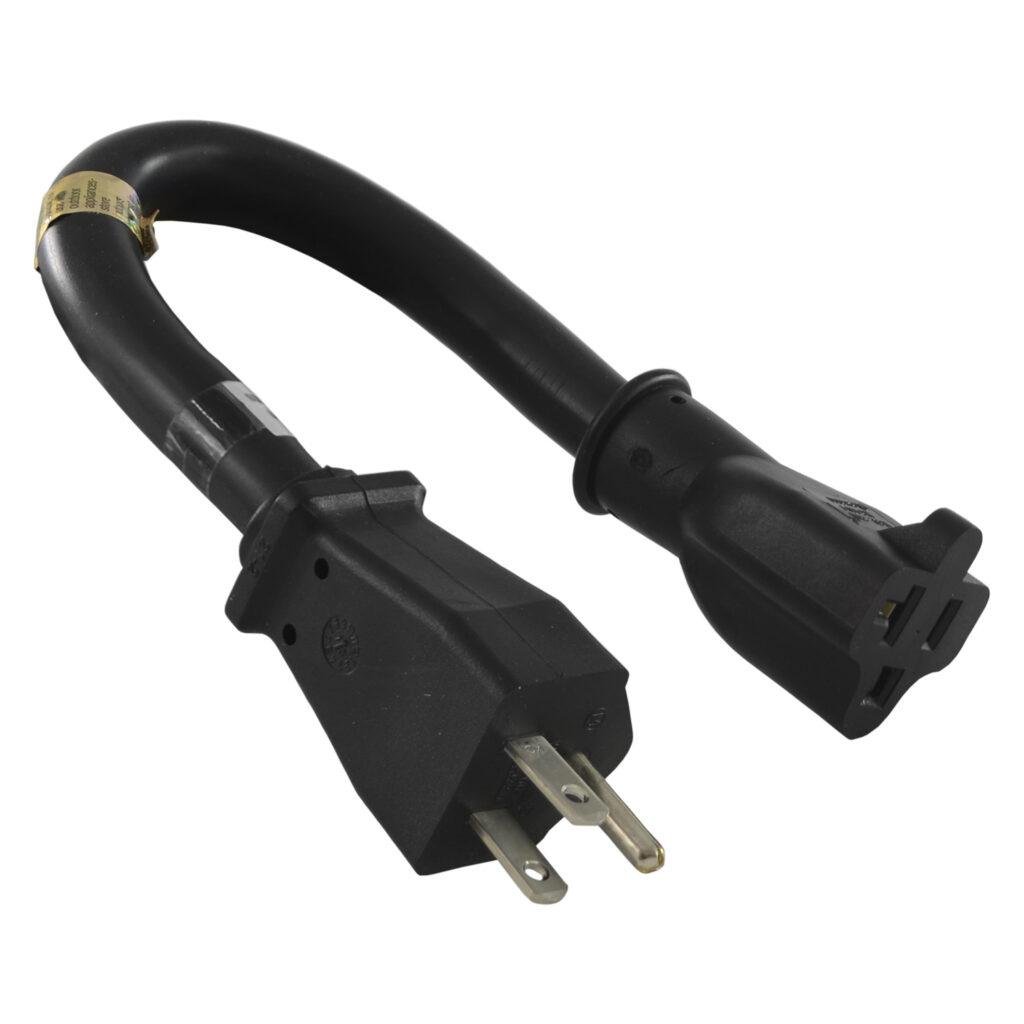
Adapters are incredibly useful for generator owners, allowing you to connect a generator with one type of outlet to an RV or power inlet box with a different type of inlet. However, they come with critical caveats.
Common Adapter Scenarios for 30 Amp Systems:
- L14-30 Generator to L5-30 RV/Inlet: If your generator has the versatile 120/240V L14-30 outlet but your RV or small inlet box only accepts a 120V L5-30 connection, an adapter can bridge the gap. It will only utilize the 120V side of your generator's output.
- 50 Amp RV to 30 Amp Generator: Many larger RVs use 50-amp service (NEMA 14-50). If you're powering it with a smaller 30-amp generator, you'll need an adapter that converts the 30-amp generator plug (e.g., L14-30 or L5-30) to a 50-amp RV receptacle. Crucially, this adapter will limit your RV to only 30 amps of power, even though it's capable of 50 amps. You'll need to carefully manage your power consumption to avoid overloading the generator or cord.
- 30 Amp Generator to Standard Household Outlets (15/20 Amp): While less common for the main connection, you might use an adapter to break out a 30-amp generator output into multiple standard household (NEMA 5-15 or 5-20) outlets using a specialized power strip or "spider" adapter. Again, respect the total amperage draw.
Adapter Safety Rules:
- Never Exceed the Lowest Amp Rating: This is paramount. If you're using a 30-amp generator with a 50-amp RV via an adapter, your entire system's capacity is still limited by the 30-amp generator and cord. Attempting to draw more than 30 amps will trip breakers, or worse, overload your generator or cord.
- Match Voltage: Ensure the adapter matches the voltage requirements. Don't try to adapt a 120V-only generator to a 240V application.
- High-Quality & Certified: Just like your cord, adapters should be heavy-duty, weather-resistant, and ETL or UL listed. Cheap adapters are a false economy.
- Keep it Simple: Use adapters only when necessary. The fewer connections in your power chain, the less potential for failure or hazards.
Connecting Your Generator Safely: No Shortcuts Here
This is the most critical section for home backup power. Improper generator connection can be lethal to utility workers and destroy your home's electrical system.
The Power Inlet Box (PIB): Your Generator's Front Door
For home backup, a power inlet box is the safe and legal way to connect your generator to your home's electrical system.
- External Mounting: The PIB is typically mounted on the exterior of your home.
- Weatherproof: It features a weatherproof seal and lid to protect the connection from the elements.
- Dedicated Circuit: It's wired directly into a dedicated circuit breaker in your main electrical panel.
- Match Connectors: The receptacle on the PIB must match your generator cord's plug (e.g., NEMA L14-30).
The Essential Transfer Switch or Interlock Kit: Blocking Backfeed
Connecting a generator directly to your home's main panel without a safety mechanism is a grave risk. It creates "backfeed," sending electricity back into the utility grid, which can electrocute utility workers trying to restore power. It can also damage your generator when grid power is restored.
There are two primary, safe methods:
- Manual Transfer Switch (MTS): This is a separate panel or integrated switch that allows you to safely switch your home's power source from the utility grid to your generator, and vice-versa. It physically isolates your house from the grid when the generator is active.
- Mechanical Interlock Kit: This device installs directly onto your existing main electrical panel. It physically prevents the main utility breaker and the generator breaker from being "on" simultaneously. You must manually turn off the main utility breaker before you can turn on the generator breaker, ensuring no backfeed.
No matter what, one of these safety mechanisms is absolutely required for home generator connections. Always have a licensed electrician install these components.
Generator Placement & Ventilation: The Silent Killer
Your generator must always be operated outdoors in a well-ventilated area.
- Carbon Monoxide (CO): Generators produce carbon monoxide, an odorless, colorless, and deadly gas. Never run a generator indoors, in a garage, carport, or near windows/doors where exhaust fumes can enter your home.
- Safe Distance: Place the generator at least 20 feet away from your home, with the exhaust pointing away from any windows, doors, or vents.
- Protection from Elements: While outdoors, ensure it's protected from rain and snow using a generator tent or canopy, but never restrict its airflow.
The "Suicide Cord" Taboo: A Deadly Mistake
You might see or hear about "suicide cords" – extension cords with male plugs on both ends. Never, ever use one of these.
- Lethal Risk: Plugging one end into a generator and the other into a wall outlet in your home (to backfeed power) is incredibly dangerous. It bypasses all safety mechanisms, creates a severe electrocution hazard for anyone who touches an energized outlet or for utility workers, and is illegal.
- Damage: It can also severely damage your generator and home electronics.
This practice is universally condemned by electricians and safety experts. There are no acceptable circumstances for using a suicide cord.
Cords in the Wild: Examples from the Field
To give you a clearer picture, let's look at some examples of well-regarded 30-amp generator cords and kits, illustrating the features we've discussed:
- RVINGPRO 30 Amp Generator Cord and Power Inlet Box Combo Kit: This offers convenience, providing both a 25-foot, 10-gauge cord and a pre-drilled, weatherproof 30 Amp inlet box. It supports 125V/250V and up to 7,500 watts, with both components ETL listed. A great starter kit for home backup.
- RVGUARD 4 Prong 30 Amp Generator Extension Cord: This 25-foot, 10-gauge SJTW cord is built to withstand extreme temperatures (-40°F to 221°F). It features NEMA L14-30P to L14-30R twist-lock connectors with strain relief, supporting 125V/250V up to 7,500 watts. Its ETL listing and inclusion of a storage bag highlight its user-friendly, durable design.
- Southwire 65172840 20-Foot 30 Amp Generator Cord: A robust, shorter option, this 20-foot, 10-gauge SJTW cord is rated for 30 amps (125V/250V). It comes with NEMA L14-30 locking plug and receptacle, a weather-resistant jacket, and is ETL listed—ideal for close-proximity generator placement.
- PlugSaf 50FT 30 Amp Generator Extension Cord: For those needing more reach, this 50-foot, 10-gauge STW cord boasts a 4-prong NEMA L14-30P to L14-30R configuration. It handles 125/250V at 30 amps (max 7,500 watts) and offers premium durability with IP65 weatherproofing, heat resistance, flame retardancy, and resistance to wear and corrosion. An adjustable cord organizer is a thoughtful addition.
- Kohree NEMA L14-30 Generator Cord: Another 50-foot, 10-gauge option with pure copper wiring, supporting 125/250V and up to 7,500 watts. It features an L14-30 twist-lock male plug and a flame-retardant, heat-resistant, water-resistant PVC sheath. ETL listed and includes a cable organizer for neat storage.
These examples underscore the common features you should prioritize: heavy-gauge wire, durable jackets, twist-lock connectors, and safety certifications.
Beyond the Purchase: Longevity and Care
Even the best 30-amp generator cord needs a little care to ensure its long-term reliability and safety.
- Inspect Regularly: Before and after each use, visually inspect the entire cord, plugs, and receptacles for any signs of damage: cuts, abrasions, cracks, kinks, discolored spots (indicating overheating), or bent/corroded prongs. If you find any damage, replace the cord immediately.
- Proper Coiling and Storage: Avoid tightly winding or kinking the cord, as this can damage the internal wiring over time. Use the "over-under" coiling method to keep the cord flexible and prevent tangles. Store it in a cool, dry place, ideally in a storage bag or with a cord organizer, away from direct sunlight, chemicals, or pests.
- Clean Connections: Keep the plug prongs and receptacle contacts clean and free of dirt, debris, or corrosion. Use a dielectric grease specifically designed for electrical connections to protect against moisture and improve conductivity, especially in outdoor environments.
- Avoid Overloading: While your cord is rated for 30 amps, always be mindful of your generator's output capacity and your total appliance load. Overloading your generator will stress the entire system, including the cord.
Common Questions About 30 Amp Generator Cords
Let's address some frequently asked questions that might be on your mind.
Can I use a 50-amp cord with a 30-amp generator?
Yes, you can physically connect a 50-amp cord to a 30-amp generator using a suitable adapter. However, the system's capacity will still be limited by the 30-amp generator and its associated 30-amp breaker. You will not get 50 amps of power. Never try to do the reverse (use a 30-amp cord for a 50-amp load) as it's a severe fire hazard.
What's the difference between SJTW and STW cord jackets?
Both are weather-resistant and commonly used for outdoor cords. SJTW typically signifies "Service Junior Thermoplastic Weather-resistant," often indicating a cord that's lighter-duty and more flexible. STW stands for "Service Thermoplastic Weather-resistant," which is generally for slightly heavier-duty use and may be more rugged, though the practical differences for a 30-amp cord can be minimal. Always check specific cord specifications for temperature ranges and other resistances.
How often should I inspect my generator cord?
You should perform a visual inspection of your generator cord before every use and also after heavy use or prolonged storage. This quick check can catch minor issues before they become major hazards.
Is a longer generator cord always better?
Not necessarily. While longer cords offer more flexibility for generator placement (crucial for safety), they also increase electrical resistance and thus voltage drop. Significant voltage drop can damage your appliances and reduce your generator's effective output. Choose the shortest cord length that still allows for safe generator placement and proper ventilation.
Your Next Step: Powering Up with Confidence
Choosing the right 30 Amp generator cord and adapters isn't just a purchase; it's an investment in safety, reliability, and peace of mind. By focusing on the right wire gauge, robust jacket materials, secure twist-lock connectors, and essential safety certifications like ETL or UL, you're building a foundation for dependable backup power.
Remember the non-negotiables:
- No suicide cords.
- Outdoor generator operation only, with ample ventilation.
- Professional installation of a power inlet box with a transfer switch or interlock kit for home backup.
Empowered with this knowledge, you can confidently select the components that will safely and efficiently connect your generator, ensuring that when the power goes out, yours stays on.