When you rely on 30 Amp connections for your RV adventures, workshop projects, or generator power, understanding how to keep them running smoothly isn't just about convenience—it's about safety and protecting your valuable equipment. These workhorse connections, typically featuring a TT-30 (three-prong) plug and designed for 125 volts, are crucial for everything from powering your smaller generator to running heavy-duty tools. But even the most robust connections can face hiccups. Knowing how to expertly troubleshoot and maintain your 30 Amp setup can prevent frustrating failures, safeguard your gear, and ensure peace of mind.
This comprehensive guide will equip you with the knowledge to diagnose common problems, implement effective solutions, and adopt preventive measures, transforming you from a perplexed user into a confident connection expert.
At a Glance: What You'll Master
- Understanding Your 30 Amp Gear: Learn the specifics of 30 Amp cords and their common applications.
- Spotting Trouble Early: Recognize the tell-tale signs of overheating, voltage drops, and connection issues.
- Step-by-Step Solutions: Get a clear roadmap to diagnose and fix the most frequent problems.
- Proactive Protection: Discover essential maintenance tips to extend the life of your equipment and prevent future headaches.
- Safety First: Understand when to DIY and when to call in a professional.
Unpacking Your 30 Amp World: The Basics You Need to Know
A 30 Amp connection is your go-to for many heavy-duty tasks that require a steady, reliable flow of power, but not the sheer capacity of its 50 Amp sibling. Think of it as the sturdy middle child of the electrical cord family—strong enough for significant loads, yet more manageable than the high-voltage giants.
These cords are engineered to handle up to 30 Amps at 125 volts, making them perfectly suited for typical RV shore power, smaller portable generators (many of which feature a dedicated 30 amp generator plug), and certain high-draw power tools. Their distinctive TT-30 three-prong plug is easy to identify, designed specifically for these applications.
While they're built tough, even the best 30 Amp cords and connections face challenges. Understanding the potential pitfalls is the first step toward preventing them.
The Silent Threats: Common Issues Plaguing 30 Amp Connections
Ignoring the subtle cues from your electrical system can lead to bigger, costlier, and even dangerous problems. When it comes to 30 Amp connections, three issues frequently surface: overheating, voltage drops, and connection problems. Each has its own set of symptoms and implications, but all demand your attention.
Overheating: The Red Flag You Can't Ignore
Imagine touching your extension cord, and it feels unusually warm, perhaps even hot. That's overheating, and it's a serious red flag. This isn't just about discomfort; excessive heat can melt insulation, expose live wires, and significantly increase the risk of short circuits or, worse, electrical fires. Overheating typically indicates that the cord is struggling to carry the electrical load demanded of it, often due to an undersized cord for the application, an overloaded circuit, or external heat exposure. It's your electrical system crying for help.
What it feels like: The cord, especially near the plug, receptacle, or along its length, is hot to the touch. You might also notice a burning smell, discolored insulation, or even visible melting.
Voltage Drops: When "Power" Isn't Quite Power
Have you ever noticed your RV air conditioner struggling to cool, or your power tools performing sluggishly, despite being plugged in? You might be experiencing a voltage drop. This occurs when the voltage delivered to your appliance is significantly lower than the voltage supplied at the source. It’s like trying to drink water through a very long, narrow straw—you're getting some, but not enough to be effective.
Voltage drops cause your appliances to work harder, draw more current, and generate more heat, leading to inefficient operation, premature wear, and potential damage to sensitive electronics. It's a common culprit behind appliance underperformance and can silently chip away at the lifespan of your valuable gear.
What it looks like: Appliances running slow, dimming lights, motors humming louder than usual, or equipment simply not performing at its rated capacity.
Connection Conundrums: Intermittent Power Loss or No Power At All
This is perhaps the most frustrating—and sometimes baffling—of issues. One moment you have power, the next you don't. Or maybe you plug something in, and absolutely nothing happens. Connection problems usually stem from the physical interface between your cord, plug, and receptacle.
Worn plug prongs, bent or corroded contacts, improper insertion, or a damaged receptacle can all lead to an unreliable connection. This intermittent contact creates resistance, which can also generate heat and exacerbate other issues. It's not just an inconvenience; a loose connection can arc, which is another fire hazard.
What it looks like: Appliances flickering on and off, needing to wiggle the plug to get power, sparks when plugging in, or a complete absence of power despite the source being live.
Your Step-by-Step Troubleshooting Playbook for 30 Amp Connections
When a problem arises, don't panic. A systematic approach will help you pinpoint the issue and implement the right fix. Think of yourself as an electrical detective, gathering clues and eliminating suspects.
Phase 1: Identifying the Symptom (The Clue Gathering)
Before you grab any tools, take a moment to observe. Your appliances and equipment are often telling you exactly what's wrong.
- Is the cord hot to the touch? If so, you're likely dealing with overheating. This is an immediate stop-use situation.
- Are your appliances underperforming, running slowly, or lights dim? These are classic signs of a voltage drop.
- Is the power intermittent, or is there no power at all? This points strongly to connection problems.
Once you've identified the primary symptom, you can zero in on the specific troubleshooting steps.
Phase 2: Diving Deeper – Solutions for Each Issue
Let's break down how to tackle each common problem head-on.
Tackling Overheating: Cool Down Your Connection
Overheating is serious, so prioritize resolving it immediately.
- Check the Cord Rating Against Your Load: This is often the primary cause. Look at your appliances' total amperage draw and compare it to your cord's rating. Is your 30 Amp cord trying to power a setup that demands 40 Amps? If so, you're overloading it.
- Action: Reduce the load by unplugging some devices, or upgrade to a cord with a higher amperage rating if appropriate (though for a 30 Amp system, the solution is usually to reduce the load or use a dedicated circuit).
- Inspect the Cord Length and Gauge: Electrical resistance increases with cord length and decreases with wire thickness (gauge). A longer, thinner cord will generate more heat for the same load.
- Action: Always use the shortest possible extension cord that safely reaches your power source. If a long run is unavoidable, consider if you truly need a thicker gauge wire, though for 30 Amp, the gauge is typically already substantial.
- Examine the Environment: Is your cord lying in direct sunlight on a hot asphalt driveway? Is it coiled up in a tight, unventilated space? External heat can exacerbate internal heat buildup.
- Action: Uncoil cords completely when in use to allow for air circulation. Relocate the cord to a cooler, shaded area if possible. Avoid running cords under rugs or through doorways where they can be pinched or insulated.
- Inspect Insulation for Damage or Wear: Look closely along the entire length of the cord, including near the plugs. Frayed insulation, cracks, or soft, melted spots are signs of damage and a fire risk.
- Action: Immediately discontinue use of any cord with damaged insulation. It cannot be safely repaired; it must be replaced.
Conquering Voltage Drops: Restore Full Power
Restoring proper voltage is key to appliance longevity and performance.
- Measure Voltage at Both Source and Cord End: This is where a multimeter becomes your best friend. Plug the cord into the source, but don't plug in appliances yet. Measure the voltage at the wall receptacle, then at the very end of your extension cord. A significant difference (more than a few volts) indicates a problem within the cord or its connections.
- Action: If there's a substantial drop, proceed to the next steps. If the source voltage itself is low, the issue is upstream (e.g., generator problem, park power issue).
- Check Cord Length and Gauge: Similar to overheating, excessive length and insufficient wire gauge contribute heavily to voltage drop. Longer cords inherently have more resistance.
- Action: Again, use the shortest possible cord. If you consistently experience drops over long distances, you might need to reconsider your setup or, if permissible, use a cord specifically designed with a lower gauge (thicker wire) for that length. However, always ensure the cord also meets the 30 Amp rating.
- Inspect Connections for Security and Cleanliness: Loose or dirty connections at either end of the cord create resistance, which manifests as heat and voltage drop.
- Action: Ensure plugs are fully inserted and fit snugly. Disconnect power, then visually inspect the prongs and receptacle slots for corrosion, dirt, or debris. Gently clean contacts with a fine-grit sandpaper or electrical contact cleaner if necessary.
Resolving Connection Problems: Ensure a Solid Link
Intermittent power is a sign of a bad connection that needs immediate attention.
- Check Plug and Receptacle for Damage or Wear: This is the most common point of failure. Look for bent, corroded, or loose prongs on your plug. For the receptacle, check for burn marks, loose internal contacts, or visible damage.
- Action: If either the plug or receptacle shows significant wear or damage, replacement is often the safest and most reliable solution. For minor corrosion, a good cleaning might suffice.
- Ensure Plugs are Fully Inserted and Fit Snugly: A common oversight! A plug that isn't fully seated creates a poor contact point, leading to resistance, heat, and intermittent power.
- Action: Always push plugs firmly into receptacles until they are completely seated. If a plug feels unusually loose, it might indicate a worn receptacle that needs replacement.
- Test with Another Cord or Appliance: This simple diagnostic step helps isolate the problem. If a different cord works perfectly with the same appliance and power source, your original cord is likely the culprit. Conversely, if the same cord works with a different appliance or power source, the problem lies with the appliance or the original power source.
- Action: Swap components to systematically identify whether the cord, appliance, or power source is at fault. This prevents unnecessary replacements.
Beyond the Fix: Proactive Maintenance for Longevity & Safety
Troubleshooting is about reacting to problems; maintenance is about preventing them. Adopting a few simple habits can drastically extend the life of your 30 Amp equipment and, more importantly, ensure your safety.
Routine Checks: Your First Line of Defense
Think of this as a quick health check-up for your electrical lifelines. Every time you deploy a 30 Amp cord, take a moment for a visual inspection.
- Look for external damage: Scuffs, cuts, frayed insulation, or signs of rodent chewing.
- Inspect plugs and receptacles: Check for bent prongs, corrosion, burn marks, or loose connections.
- Feel the cord: If it's warm before even being under load, there might be an internal issue.
These quick scans can catch small issues before they escalate into major problems, potentially saving you from a ruined camping trip or a stalled project.
Smart Storage Solutions: Protect Your Investment
How you put away your cord is almost as important as how you use it. Improper storage can accelerate wear and tear.
- Coil Neatly: Avoid tight kinks or sharp bends, which can damage internal wires. Gently coil the cord in large loops.
- Cool, Dry, and Shaded: Store cords away from direct sunlight, extreme temperatures, and moisture. UV rays can degrade insulation, and moisture can lead to corrosion.
- Avoid Crushing: Don't store heavy items on top of cords, as this can damage the internal conductors.
- Keep Clean: Wipe off dirt, dust, and debris before storage.
Proper storage keeps the insulation pliable, the conductors intact, and the connections corrosion-free, ensuring your cord is ready when you need it next.
Matching the Muscle: Always Use the Appropriate Cords
Never compromise on using the right tool for the job. For 30 Amp applications, this means ensuring your cord is specifically rated for 30 Amps and 125 volts, typically featuring that TT-30 plug.
- Amperage & Voltage Rating: Verify that the cord's stated capacity matches or exceeds the demands of your equipment. Using a lower-rated cord is an invitation to overheating and damage.
- Indoor vs. Outdoor: Ensure your cord is rated for outdoor use if that's where you'll be deploying it. Outdoor cords have more robust insulation designed to withstand environmental factors.
Using an undersized cord is like trying to lift a car with a bicycle chain—it’s going to fail. Always confirm your cord's specifications.
The Golden Rule: Never Overload Your System
This cannot be stressed enough: do not exceed the cord’s rated capacity. Overloading is the quickest path to overheating, voltage drops, and potential hazards.
- Calculate Your Load: If you're running multiple appliances, sum up their amperage requirements. Ensure the total doesn't surpass 30 Amps. For RVs, this means being mindful of what you're running simultaneously (e.g., AC, microwave, water heater all at once).
- Use Dedicated Circuits: Where possible, plug high-draw appliances into different circuits or stagger their use.
Respecting your cord's limits is the single most important preventive measure against nearly all electrical issues.
Differentiating 30 Amp from 50 Amp: Why It Matters for Your Maintenance
While this guide focuses on 30 Amp connections, it's worth a quick clarification on its larger sibling, the 50 Amp. Understanding the difference reinforces why your 30 Amp maintenance practices are distinct and important.
- 30 Amp: Typically 125 volts, 3-prong (TT-30). Handles up to 30 amps. Common for smaller RVs, generators, some heavy tools. It's a single-phase connection.
- 50 Amp: Typically 240 volts, 4-prong (14-50). Handles up to 50 amps. Designed for larger RVs with two air conditioners, high-powered generators, or substantial electrical appliances requiring more robust power. This is a split-phase connection, offering two separate 120-volt lines.
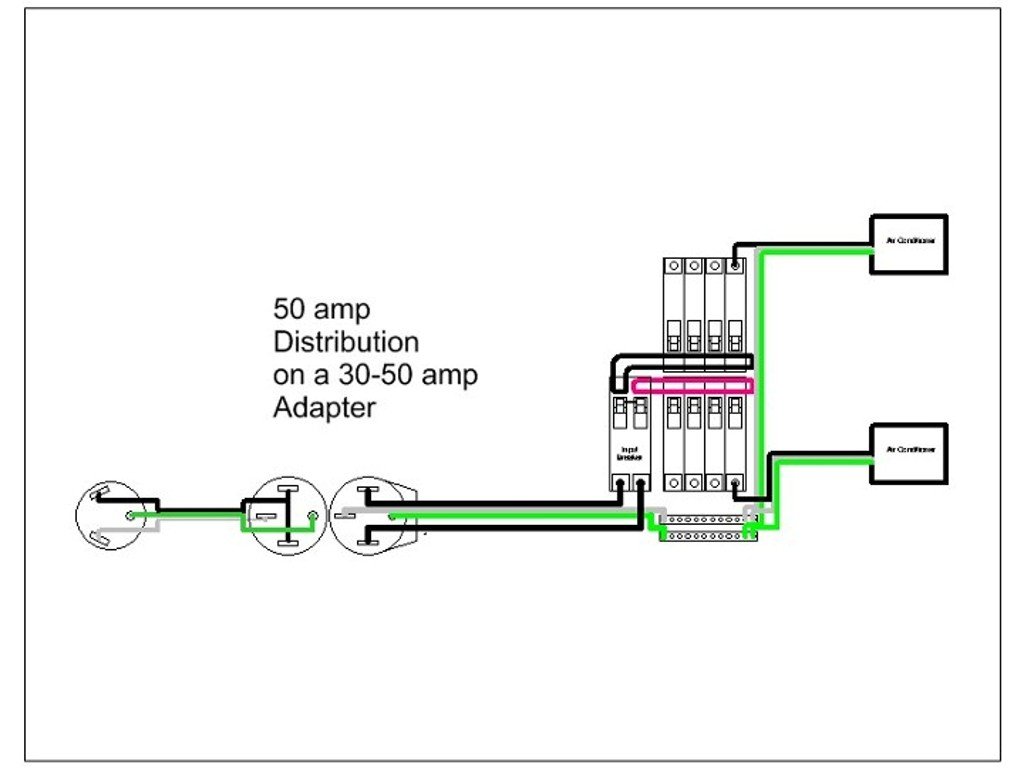
The takeaway? Never try to force a 30 Amp plug into a 50 Amp receptacle or vice versa. Adapters exist, but they come with their own considerations for managing the different voltage and amperage capacities, usually stepping down a 50 Amp source for a 30 Amp device. Always verify the voltage and amperage requirements of your equipment against the power source and connection. Using the wrong type of cord or adapter without understanding its implications can lead to damage or hazardous conditions.
When to Call a Pro: Knowing Your Limits
While much of 30 Amp troubleshooting and maintenance is well within the capabilities of a diligent DIYer, there are times when professional help is not just recommended, but essential.
- Persistent Issues: If you've followed all the troubleshooting steps and the problem (overheating, voltage drop, intermittent power) persists, especially after replacing cords or plugs, the issue might be deeper in your RV's wiring, generator's output, or the campground pedestal.
- Electrical Shocks or Sparks: Any instance of receiving a shock, seeing sparks (beyond a tiny, brief one when plugging in a high-draw appliance), or smelling burning wires inside an appliance or wall is an immediate reason to disconnect power and call a qualified electrician or RV technician.
- Damaged Receptacles/Panels: If a wall receptacle, circuit breaker panel, or generator outlet appears damaged, corroded, or has burn marks, it's best left to a professional. Tampering with live electrical panels is extremely dangerous.
- Lack of Confidence: If you're unsure about any step, don't feel comfortable using a multimeter, or simply lack confidence in your electrical skills, err on the side of caution and consult an expert. Your safety is paramount.
Taking Charge: Your Next Steps for a Safer Connection
Mastering troubleshooting and maintenance for your 30 Amp connections is more than just a skill—it's an investment in safety, longevity, and uninterrupted power. By understanding the signs of trouble, knowing how to systematically diagnose issues, and committing to proactive care, you'll safeguard your equipment and enjoy reliable power wherever you need it.
So, go forth with confidence. Inspect your cords, understand your loads, and never hesitate to apply these practical steps. Your 30 Amp connections are vital, and with the right approach, they'll serve you reliably for years to come.