Power outages are becoming an unfortunate reality for many homes and businesses, making a reliable backup power source less of a luxury and more of a necessity. But navigating the world of generators can feel like learning a new language, especially when terms like watts, volts, and amps start flying around. If you’re looking to get a clearer understanding of generator output & 30 amp requirements for your house, you’re in the right place.
This comprehensive guide will demystify generator power, help you size a unit for your specific needs, and dive deep into what a 30 amp generator can (and can’t) do for your home.
At a Glance: Your Generator Output & 30 Amp Essentials
- Generator Output Basics: Generators are sized by wattage, which measures the "real power" they can deliver. Volts measure "apparent power," and Amps measure electric current flow.
- The Power Equation: Watts = Volts x Amps. This fundamental formula helps you understand how these units relate.
- Sizing Your Generator: Start by listing all the appliances you want to run simultaneously, find their wattage, and then add a buffer (10-20%) to prevent overloading.
- 30 Amp Generator Reality: A typical 30 amp, 120V generator provides 3600 watts. This is suitable for essential appliances like a refrigerator, some lights, a TV, and a few small electronics.
- 30 Amp Limitations: It's generally not enough for an entire house, especially with heavy loads like central AC, electric ovens, or electric water heaters.
- Safe Installation is Key: Always use a transfer switch installed by a licensed electrician to safely connect your generator to your home's electrical panel. Never run a generator indoors.
- Consider Upgrading: If your total home power needs exceed 3600 watts for critical items, you'll need a higher-capacity generator.
Decoding Generator Power: Watts, Amps, and Volts Explained
Before you can pick the right generator, you need to speak its language. The "output" of a generator refers to the amount of electrical power it can produce. This is typically measured in watts, but amps and volts play equally crucial roles in understanding how that power is delivered and utilized.
Watts: Your Generator's Muscle Power
Think of watts (W) as the "real power" an appliance uses or a generator produces. It's the most common unit for expressing generator output and an appliance's power consumption. When you see a generator advertised as "7500W," that's its maximum rated power. For larger generators, this is often expressed in kilowatts (kW), where 1 kW equals 1000 watts.
Volts: The Pressure Behind the Flow
Volts (V) represent the "apparent power" or the electrical potential difference—like the water pressure in a hose. In North America, most standard wall outlets provide 120 volts, while larger appliances (like electric dryers or central air conditioning) often require 240 volts. Generators can output both 120V and 240V, often simultaneously.
Amperes (Amps): The Volume of the Current
Amperes (Amps or A) measure electric current, which is the actual flow or volume of electricity. Going back to our water analogy, if volts are the water pressure, amps are the diameter of the hose, dictating how much water can flow through. A higher amperage means more current can flow, supporting more demanding appliances.
The Essential Relationship: Ohm's Law in Action
These three terms aren't isolated; they're intrinsically linked by a fundamental principle called Ohm's Law. For practical purposes, the most important relationship for generators is:
Watts (W) = Volts (V) x Amps (A)
Let's break that down with examples:
- Example 1: An Appliance's Demand
If your refrigerator runs on a standard 120V circuit and draws 5 amps, it uses 600 watts (120V x 5A = 600W). - Example 2: A Generator's Capacity
A 30 amp circuit on a 120V generator can provide a maximum of 3600 watts (120V x 30A = 3600W). This calculation is crucial when assessing a 30 amp generator for home use, which we'll cover in detail shortly.
Understanding this formula is your first step to accurately matching a generator to your home's needs.
Beyond Watts: Kilowatt-Hours for Energy Over Time
While watts describe instantaneous power, watt-hours (Wh) or kilowatt-hours (kWh) measure energy consumption or storage over time. One watt-hour is the energy needed to run a 1-watt appliance for one hour. Your electricity bill is measured in kWh, reflecting your total energy usage. This metric is also useful for:
- Battery storage: Showing a battery's total capacity.
- Fuel efficiency: Estimating how long a generator can run on a tank of fuel based on its Wh per gallon.
Pinpointing Your Power Needs: How Many Watts Do You Really Need?
The biggest mistake homeowners make when buying a generator is misjudging their power requirements. You don't want to buy a generator that's too small and constantly trips circuits, nor one that's overkill and wastes fuel. Here's a systematic approach to finding your sweet spot:
Step 1: List Your Essential Appliances
Start by making a comprehensive list of every single appliance, light, and electronic device you absolutely need to run during a power outage. Be realistic. This isn't about powering your entire home as if the grid were up, but about maintaining critical functions and comfort.
Step 2: Calculate Individual Appliance Wattage
For each item on your list, find its wattage rating. This information is usually found:
- On a sticker or plate on the appliance itself.
- In the owner's manual.
- On the manufacturer's website.
- Via a quick online search for "[Appliance Name] wattage."
Remember that some appliances have a higher "starting wattage" (a brief surge of power when they first turn on) than their "running wattage." Generators typically list their surge wattage (for starting) and continuous wattage (for running). Focus on the running wattage for continuous operation, but keep the surge wattage in mind for motors.
Common Appliance Wattage Examples:
To give you a baseline, here are typical wattage ranges for common household items:
- Refrigerator: 100 - 800W
- Freezer: 100 - 700W
- Microwave: 600 - 1500W
- Television (LED/LCD): 50 - 400W
- Laptop/Charger: 50 - 150W
- Cell Phone Charger: 5 - 15W
- Incandescent Light Bulb: 40 - 100W (consider LEDs at 5-15W for huge savings!)
- Window Air Conditioner (small): 1000 - 1500W
- Portable Heater: 750 - 1500W
- Washing Machine: 500 - 2000W
- Dishwasher: 1200 - 2400W
- Sump Pump: 750 - 1500W
- Electric Cooking Stove (single burner): 1500W+
- Electric Oven/Range: 2000 - 5000W (usually too high for smaller generators)
- Central Air Conditioner: 3000 - 5000W+ (requires large generators)
- Electric Water Heater: 4000 - 5000W+ (requires large generators)
Step 3: Tally Your Total Running Wattage
Add up the running wattages of all the appliances you intend to run simultaneously. This sum is your estimated peak demand.
Step 4: Add a Safety Buffer
Once you have your peak demand, always choose a generator with a wattage capacity slightly higher than your calculated total. A 10-20% buffer provides "wiggle room" and prevents your generator from running at its absolute limit, which can shorten its lifespan and risk overloading. For example, if your peak demand is 11,000 watts, aim for a 12,000-watt generator.
- Pro Tip: If you're planning for whole-home backup, check your electric bill for your average daily kWh usage. This can give you a general idea of your total demand, but remember you won't be using everything at once during an outage.
Maximizing Generator Efficiency and Performance
Once you've sized your generator, optimizing how you use it can make a big difference in fuel consumption and overall performance.
Invest in Energy-Efficient Appliances
This is a long-term strategy, but highly effective. Swapping old incandescent bulbs for LEDs (which use 10% of the power!) or upgrading to ENERGY STAR-rated kitchen appliances can significantly reduce your baseline power demand. Heat pumps, for example, are far more efficient for heating and cooling than traditional electric resistance heaters.
Smart Power Distribution During an Outage
Connecting your generator directly to your home's electrical panel via a transfer switch is convenient, but it can power forgotten items like water heater elements, clocks, and thermostats that aren't critical. To maximize your generator's output for essential items:
- Prioritize circuits: If using a transfer switch, select only the circuits connected to your priority appliances.
- Direct connection for critical items: For medical equipment, security systems, or specific freezers, consider plugging them directly into the generator or its dedicated outlets. This bypasses the house wiring for those critical items, ensuring they get power without unexpected draws.
Assessing a 30 Amp Generator for Home Use: What to Expect
Now that we understand the basics of generator output, let's focus on the heart of the matter: what a 30 amp generator truly means for your home.
The Power of 30 Amps (120V)
A typical 30 amp generator designed for home use usually outputs at 120 volts. Using our formula:
30 Amps x 120 Volts = 3600 Watts
This means a 30 amp generator can provide a maximum of 3600 watts of power. It's often a portable unit, designed for convenience and moderate power needs.
What Can a 30 Amp Generator Power?
A 30 amp generator is excellent for providing power to essential, smaller-to-medium-sized household appliances. Think of it as keeping the core functions of your home operational during a short-term outage. You can typically run:
- Kitchen Essentials: Refrigerator, a small chest freezer, microwave (one at a time, carefully).
- Comfort & Light: Several LED lights, a few fans, a small window air conditioner (1000-1500W).
- Electronics: Televisions, laptops, phone chargers, small medical devices.
- Other Basics: A sump pump, a garage door opener (not simultaneously with other heavy loads).
Limitations: Where a 30 Amp Generator Falls Short
While capable, a 30 amp generator is not a whole-home solution for most modern residences. It will likely be insufficient for:
- Major Appliances: Central air conditioning, electric heating systems, electric ovens, electric water heaters, large electric dryers. These appliances draw immense power, often far exceeding 3600 watts on their own, especially during startup.
- Simultaneous Heavy Loads: You'll have to be very strategic. Running a microwave and a small window AC unit at the same time might push it to its limit, or even overload it.
- Extended Full Capacity Operation: While many portable generators have decent fuel tanks, running them at or near maximum capacity for very long periods might require frequent refueling and could put undue strain on the engine.
Is a 30 Amp Generator Right for Your Home?
To determine if a 30 amp generator (3600 watts) meets your needs, revisit your wattage calculation. If your list of critical simultaneous appliances adds up to significantly more than 3000-3200 watts (allowing for a buffer), you'll likely need a larger generator. If your critical needs fit comfortably below 3000 watts, a 30 amp unit could be a cost-effective and practical choice.
When considering connection options, remember that a proper 30 amp generator plug guide is crucial for safety and efficiency.
Setting Up Your 30 Amp Generator: Essential Equipment & Steps
Getting your generator set up correctly is as important as choosing the right size. Safety and proper installation are paramount.
Essential Equipment for Safe & Effective Operation:
- Your 30 Amp Generator: The heart of your backup power system.
- Power Transfer Switch: This is non-negotiable for connecting your generator to your home's main electrical panel. It safely isolates your home from the utility grid, preventing dangerous backfeed that can injure utility workers and damage your generator.
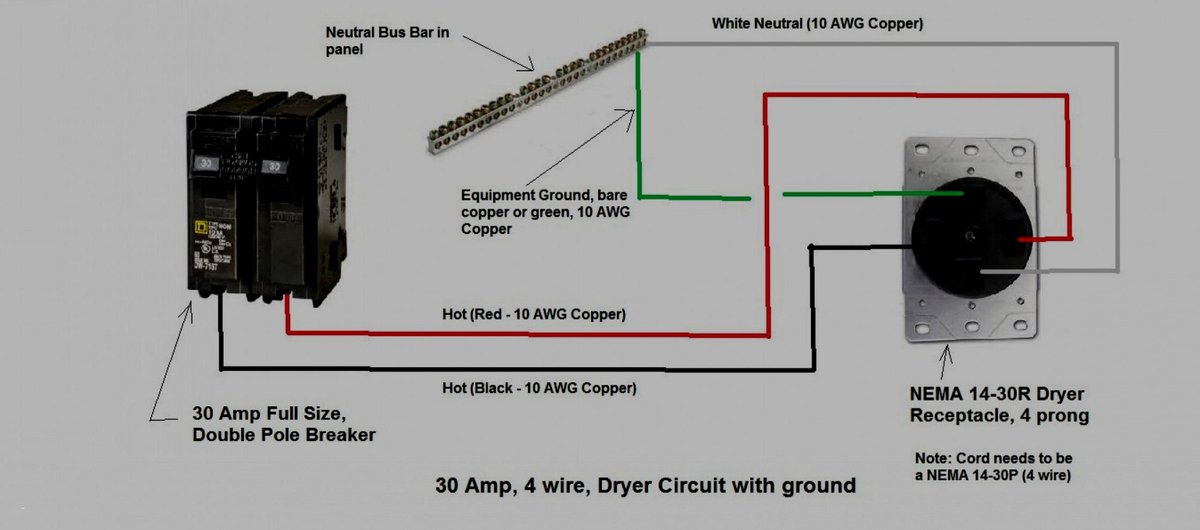
- Generator Cord: A heavy-duty, appropriately rated cord (e.g., a 10-gauge cord for 30 amps) with the correct plug type for your generator and transfer switch inlet box. Consult our 30 amp generator plug guide for details on matching plugs and receptacles.
- Fuel Storage: Adequate, safe containers for gasoline, propane, or diesel, depending on your generator type.
- Surge Protectors: To protect sensitive electronics from potential power fluctuations.
- Carbon Monoxide (CO) Detector: A battery-powered CO detector is an absolute must, even if your generator is placed far from your home.
Generator Installation Steps (Always Consult an Electrician!):
- Choose a Safe Location: Select a well-ventilated, dry outdoor area for your generator. It must be at least 20 feet away from your home, windows, and vents to prevent carbon monoxide from entering your living space. Ensure ample space for airflow around the unit.
- Transfer Switch Installation: This is the most critical step and must be performed by a licensed electrician. The electrician will install a transfer switch (manual or automatic) near your main electrical panel. This switch allows you to safely switch your home's power source between the utility grid and your generator.
- Connect the Generator: Once the transfer switch and inlet box are installed, connect your generator to the inlet box using your appropriately rated generator cord.
- Fuel and Start: Following the manufacturer's instructions, add fuel and oil (if necessary) and start the generator. Allow it to warm up for a few minutes.
- Engage the Transfer Switch: Flip the appropriate switches on your transfer switch to select "generator power" and activate the circuits you wish to power.
- Monitor & Test: Test your selected appliances. Use surge protectors for sensitive devices. Monitor the generator's performance and ensure it's not overloaded.
Prioritizing Safety: Non-Negotiable Rules for Generator Use
Operating a generator carries significant risks if proper precautions aren't taken. Your safety and the safety of your family are paramount.
- Carbon Monoxide (CO) — The Silent Killer: Generators emit carbon monoxide, an odorless, colorless gas that is deadly. NEVER operate a generator indoors, in a garage, basement, crawl space, or even directly outside an open window. Place it far away from your home and ensure you have working CO detectors indoors.
- Proper Grounding: Ensure your generator is properly grounded according to manufacturer instructions and local electrical codes. This helps prevent electrocution.
- Appropriate Cords: Only use heavy-duty, outdoor-rated extension cords that are designed to handle the generator's output. Never use frayed or damaged cords.
- Dry Conditions: Keep the generator dry. Do not operate it in rain, snow, or wet conditions. If necessary, use a generator cover or canopy that allows for proper ventilation.
- Fueling Safely: Always turn off the generator and allow it to cool down before refueling. Gasoline and its fumes are highly flammable. Store fuel in approved containers in a cool, well-ventilated area, away from living spaces and heat sources.
- Professional Installation: As stressed before, always have a licensed electrician install your transfer switch and perform any wiring that connects the generator to your home's electrical system. This ensures compliance with electrical codes and prevents dangerous situations. Understanding the correct 30 amp generator plug guide for your system is part of this safe setup.
- Regular Inspections: Periodically inspect your generator for wear and tear, loose connections, or damage.
Keeping Your Generator Running: Maintenance for Longevity
Like any engine, your generator needs regular care to perform reliably when you need it most.
- Read the Manual: This is your generator's bible. It contains specific maintenance schedules and instructions.
- Oil Changes: Regularly check and change the oil according to the manufacturer's recommendations (often after the first 20-30 hours, then every 50-100 hours of operation).
- Air Filter: Clean or replace the air filter periodically, especially if operating in dusty conditions.
- Spark Plug: Inspect and replace the spark plug as recommended to ensure efficient ignition.
- Fuel System: If storing for an extended period, drain the fuel or use a fuel stabilizer to prevent gumming and corrosion in the carburetor. For generators that run on propane, this isn't as much of an issue.
- Keep it Clean: Dust, dirt, and debris can impede cooling and affect performance. Keep the generator's exterior and cooling fins clean.
- Test Periodically: Start your generator every month or two and let it run for 15-30 minutes under a light load (e.g., a few lights or a fan). This circulates fluids, lubricates components, and ensures it's ready for an actual outage.
- Store Properly: When not in use, store your generator in a cool, dry place, protected from the elements.
Operating your generator within its specified capacity and avoiding prolonged runs without breaks will also contribute to its lifespan. If you've chosen a 30 amp unit, be diligent about managing your power draw.
Next Steps: When 30 Amps Isn't Enough
If, after calculating your essential needs, you find that a 30 amp (3600 watt) generator simply won't cut it for the level of backup power you require, don't fret. Many homeowners discover this after their initial assessment.
Here are your options:
- Upgrade to a Higher Capacity Generator:
- 50+ Amps (7500+ Watts): This typically means moving to a larger portable generator or even a smaller standby generator. These units can power more appliances simultaneously, including some larger 240V loads like a well pump or a small central AC unit, especially if they have a dedicated 50 amp generator plug guide.
- Whole-Home Standby Generators: For true whole-home backup, often exceeding 15,000 watts, a permanently installed standby generator is the solution. These units run on natural gas or propane, turn on automatically when power is lost, and can power virtually everything in your home.
- Consult a Professional Electrician: If you're unsure about your power requirements or the best way to integrate a larger generator, a licensed electrician can perform a detailed load assessment of your home. They can help you identify critical circuits and recommend the most suitable generator size and installation method.
- Explore Energy-Efficient Alternatives: Before upgrading, re-evaluate your list of "essential" items. Could you swap a power-hungry electric heater for a propane space heater? Could you rely on battery-powered lights instead of generator-powered ones? Every watt you save reduces your generator's burden.
Understanding generator output and 30 amp requirements is about more than just technical specifications; it's about empowering you to make informed decisions for your home's safety and comfort during unexpected power outages. With the right knowledge and careful planning, you can ensure your home stays powered when it matters most.